

Environmental Impact & Sustainable Solutions in the Paper and Pulp Industry
Overview of the global paper and pulp market

The paper and pulp industry plays an indispensable role in the global economy, serving the demand from packaging production, and printing, to everyday consumer products. According to the latest report from Stella Market Research, the market size of the paper and pulp industry reached 231 billion USD in 2023 and is expected to increase to 303.98 billion USD by 2030, with a compound annual growth rate (CAGR) of 4% during the period from 2024 to 2030. The Asia-Pacific region, with strong economic development in China and India, currently accounts for 39% of the global market share.
However, the expansion of production in this industry also comes with significant environmental challenges. The paper and pulp industry consumes large amounts of natural resources such as water, energy, wood, and chemicals, while also emitting many serious pollutants. This urgently requires sustainable development solutions to balance economic benefits and environmental responsibilities.
Environmental impact from the paper and pulp industry.
1. Energy and water consumption
Energy consumption:

The paper production process requires energy-intensive stages, from wood grinding, pulp filtering, and mixing to heating. For example, to produce 1m² of LWC paper (a type of paper commonly used in magazines like Time), 0.139 kWh of electricity is needed. With approximately 1505.2 m² of paper for each magazine issue, the total electricity required amounts to 209.22 kWh, according to a study published in the E3S Web of Conferences.
Water consumption:
The paper industry is one of the largest consumers of water in the world. The production process requires a significant amount of freshwater (ranging from 60 to 230 cubic meters for each ton of paper produced), resulting in a considerable amount of wastewater. This enormous amount of water is used for various stages such as washing pulp, cooking, screening, and paper production.
Wastewater:
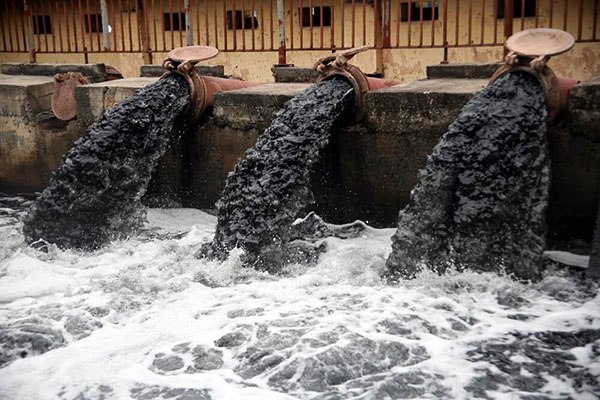
Wastewater from the paper industry contains many suspended solids, chemicals, and organic substances, causing serious water pollution. There are two main types of wastewater:
- Black liquor: Generated during the pulp washing process, contains toxic organic substances, and has a high BOD (biochemical oxygen demand) of 5,000 – 40,000 mg/L. These organic substances have the ability to bioaccumulate and cause mutations in organisms living in the aquatic environment. In addition, these substances are highly hydrophobic so they easily penetrate the cell membrane of organisms.
- White water: Generated during the papermaking process, contains paper fibers, fillers and toxic chemicals, with high COD (chemical oxygen demand), and is difficult to biodegrade.
In addition, both black and white water contain large amounts of suspended solids, which can reach more than 500 mg/L. Among them, lignin is the suspended solid that accounts for the highest proportion, more than 90% of the total amount of suspended solids in wastewater.
2. Water and air pollution
Water pollution:
The production process creates chemical and microbial pollutants, severely affecting the environment and human health.

Chemical pollution:
Wastewater contains pollutants such as:
- Suspended solids (more than 90% lignin), cellulose and pulp debris.
- Carbohydrates from cellulose decomposition, content 100-500 mg/L.
- Ammonia nitrogen from preservatives and alkaline solutions, content 50-200 mg/L.
- Cyanide (5-20 mg/L) and sulfate (100-500 mg/L) from bleaches and additives.
- Phosphate from the calcium compound, sodium phosphate, often exceeds 20 mg/L.
Microbial contamination:
Wastewater contains bacteria (Escherichia coli, Staphylococcus aureus), mold, and viruses. These microorganisms not only cause deterioration of water quality but also pose a potential risk of causing dangerous infectious diseases to humans.
Harmful effects:
- Ecosystem: Makes water change from aerobic to anaerobic, disrupting the natural balance and reducing self-cleaning ability.
- Human health: Compounds such as dioxin and chlorophenol in wastewater can cause cancer, genetic mutations and endocrine disorders.
Air pollution:
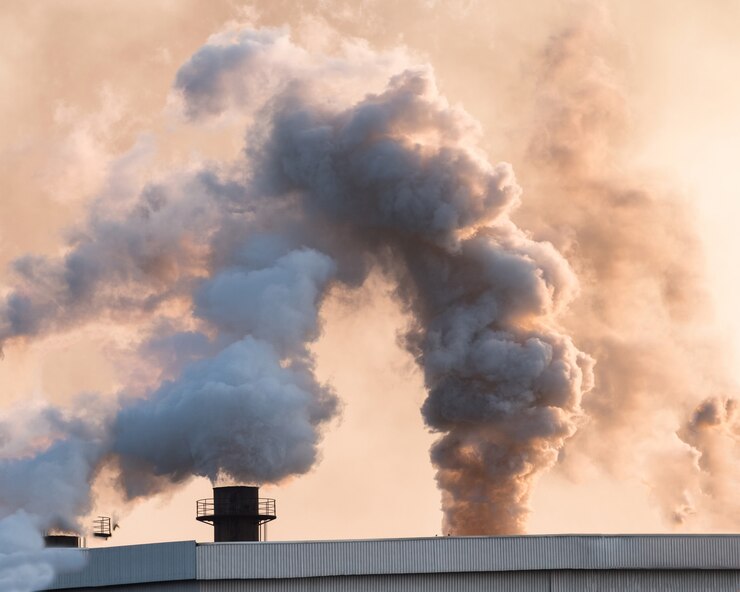
The paper industry is one of the major emitters of greenhouse gases, including CO2, from deforestation and fossil fuel use. On average, each ton of paper produced generates 950 kg CO2-eq. The global loss of tropical forests from 2015-2017 released approximately 4.8 billion tons of CO2 per year, accounting for 8-10% of total global emissions.
3. Deforestation and loss of biodiversity
Deforestation:
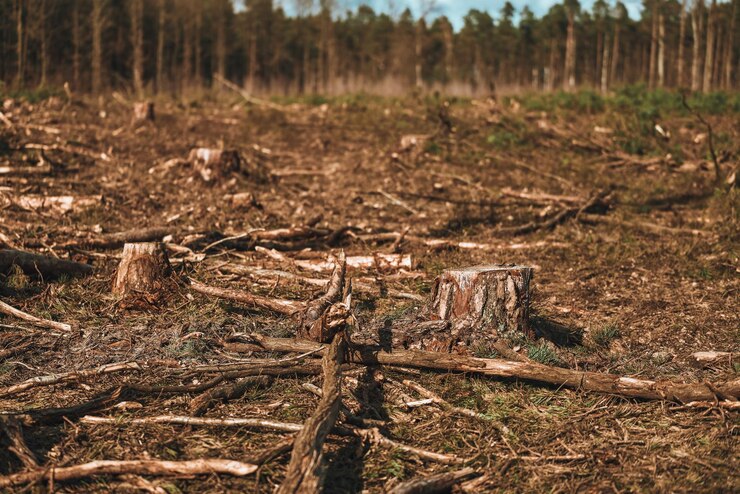
93% of raw materials for the paper industry come from trees. With 42% of globally harvested wood used for paper production, this industry is a major contributor to deforestation. Loss of forests not only reduces the Earth’s ability to absorb carbon but also releases CO2 stored in trees into the atmosphere.
Loss of biodiversity:
Deforestation caused by the pulp and paper industry causes habitat loss, directly affecting biodiversity. Forests are home to countless species of plants and animals. When forests are destroyed, these species lose their homes, food sources, and breeding grounds, leading to population decline and even extinction.
4. Amount of paper waste and recycling problem
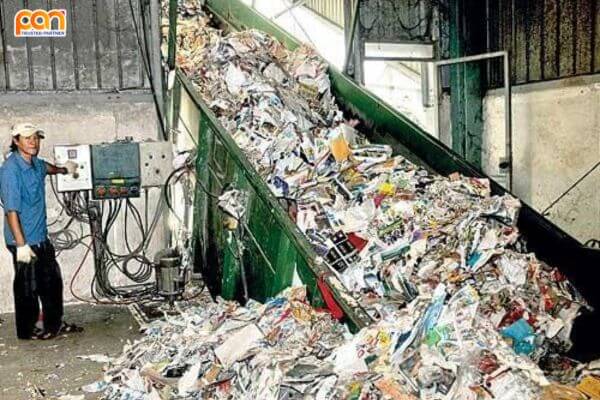
According to a research article published in the journal FACETS, the paper industry produces more than 400 million tons of paper each year, but only about 50-65% of this is recycled. The rest is buried or incinerated, wasting resources and increasing environmental pollution. Waste paper accounts for 35% of total municipal solid waste and is a major source of pollution in landfills.
Sustainable solutions in the pulp and paper industry:
Wastewater treatment
Wastewater from the pulp and paper industry is a significant source of environmental pollution because it contains many organic and inorganic pollutants. To minimize negative impacts on the environment and human health, many wastewater treatment methods have been developed and applied. Here are some common wastewater treatment methods:
Physical Treatment:
1. Sedimentation:
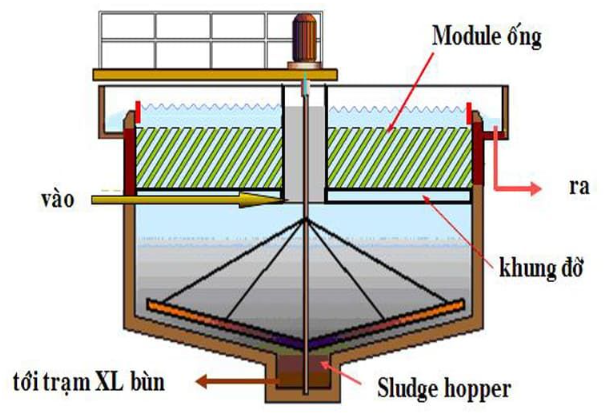
Sedimentation is a simple and cost-effective physical treatment method for removing suspended solids from wastewater. This method is based on the principle of gravity to separate suspended substances from water. The efficiency of the sedimentation process can be improved by adding flocculants or coagulants to the wastewater. For example, Kim et al. applied polyaluminum chloride (PAC) at a concentration of 3689 mg/L and cationic polyacrylamide (PAM) at a concentration of 39.9 mg/L, at optimal pH 5.4, for water treatment. paper waste. The results show that the flocculation-sedimentation method not only effectively removes suspended particles and small pollutants but is also an ideal pretreatment before the biological treatment stage.
2. Membrane filtration:
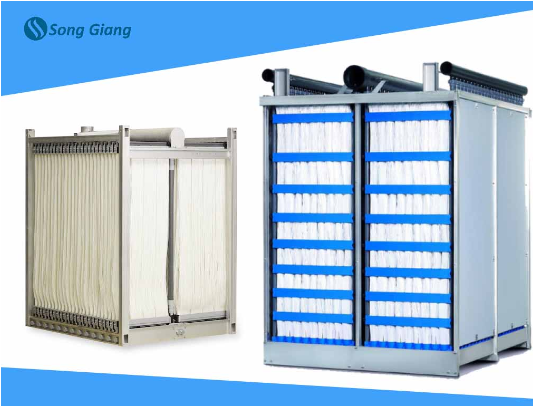
Membrane filtration method uses ultra-fine or nano-filtration membranes to separate suspended solids from wastewater. Tonni and his colleagues have demonstrated the ability to treat paper wastewater with membrane filtration technologies such as reverse osmosis (RO), achieving removal efficiency of 80% and 85% SiO₂ at pressures of 10-11 bar. In particular, the RO membrane can almost completely remove pollutants, ensuring that treated wastewater complies with environmental standards with suspended solids content below 50 mg/L.
Advantages and disadvantages of physical treatment:
Physical treatment methods have the great advantage of being highly effective in removing suspended solids and organic matter. However, the main limitation is high investment and operating costs, along with the large amount of wastewater generated during the treatment process. Therefore, this method is often combined with other technologies to optimize costs and achieve better efficiency.
Chemical treatment:
Chemical treatment is an important method widely used in the pulp and paper industry to remove or convert pollutants into less toxic forms. This method relies on chemical reactions, providing high treatment efficiency in many cases, especially for organic compounds that are difficult to decompose.
1. Flocculation – Precipitation:
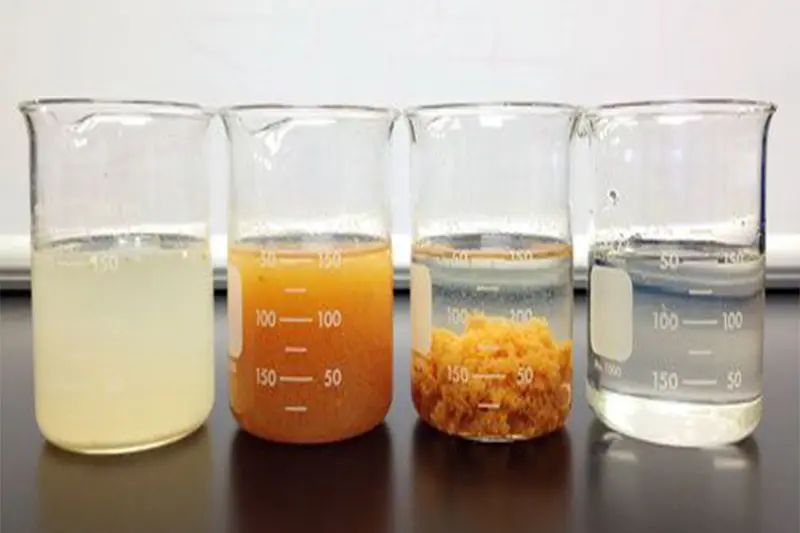
The flocculation-precipitation method uses chemicals to neutralize the surface charge of suspended particles, helping them to stick together into large flocs and easily settle. Precipitating chemicals are then added to create an insoluble precipitate, which pulls the flocs to the bottom of the tank, separating them from the wastewater. Some commonly used chemicals include alum sulfate (Al₂(SO₄)₃), alum iron(III) chloride (FeCl₃), and polyacrylamide (PAM) for flocculation; Meanwhile, lime (Ca(OH)₂) and soda (Na₂CO₃) are often used to precipitate.
The efficiency of this method is quite high, it can remove 50–90% of suspended solids and 20–70% of COD (Chemical Oxygen Demand). However, effectiveness depends heavily on the type of chemical, and dosage used, as well as environmental factors such as pH, temperature, and wastewater characteristics.
2. Oxidation
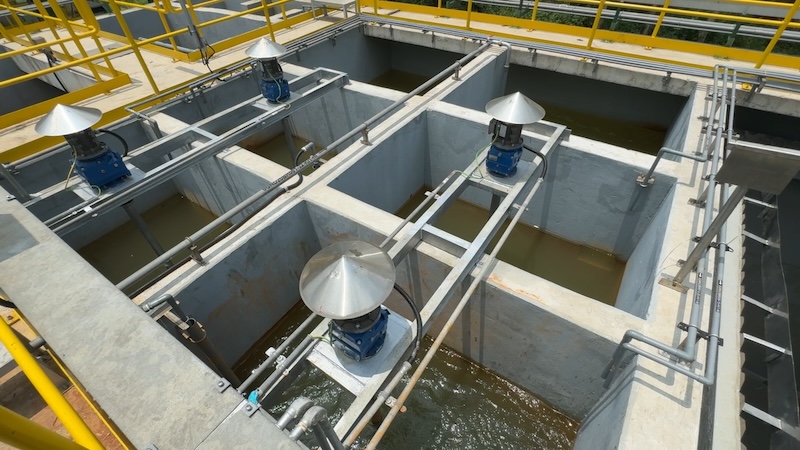
The oxidation method uses strong oxidants to decompose organic compounds that are difficult to biodegrade, converting them into CO₂ and H₂O. Common methods include ozonation, Fenton process and advanced oxidation (AOPs).
Ozonation is a method of using ozone (O₃) to treat wastewater, often effective in removing more than 90% of colorants and 50–70% of COD. Meanwhile, the Fenton process combines hydrogen peroxide (H₂O₂) and iron(II) salts (FeSO₄) to produce hydroxyl radicals (•OH), which remove 70–90% of COD and 90% of pigments. In addition, advanced oxidation methods (AOPs) also use agents such as ozone, H₂O₂, UV rays… to effectively treat difficult-to-decompose organic compounds, especially compounds containing chlorine and phenol.
The oxidation method has the great advantage of high treatment efficiency and fast treatment time, while not creating secondary sludge. However, high chemical costs and the risk of creating toxic byproducts are limitations that need to be kept in mind.
3. Adsorption
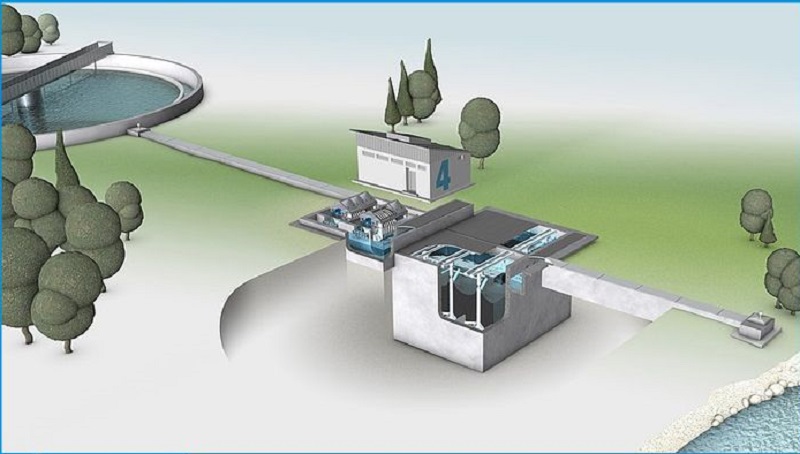
Adsorption is a treatment method that uses porous materials with large surface areas such as activated carbon, zeolite, or silica gel to absorb pollutants from wastewater. This is a very effective method for removing organic substances, with a treatment efficiency of 80–95% depending on the type of material, pollutant properties, and treatment conditions such as concentration, pH, or toxicity. temperature.
The advantage of this method is its flexibility and ability to regenerate adsorbent materials, helping to reduce long-term costs. However, the initial cost of the material can be high and the processing efficiency gradually decreases as the material becomes saturated.
Biological Treatment
Biological treatment is classified into aerobic sludge methods and anaerobic biological methods based on the characteristics of the microorganisms used in the treatment process.
- Aerobic Biology Method
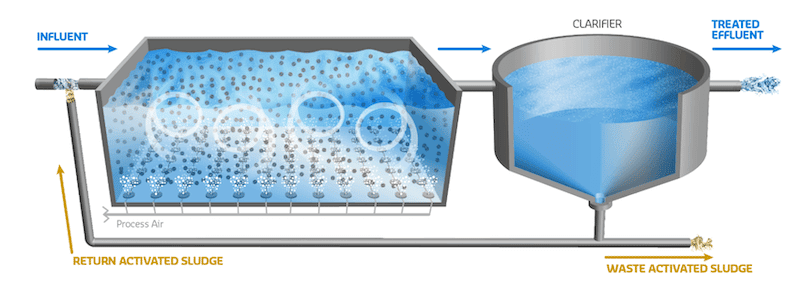
The aerobic method is commonly used to treat wastewater from the pulp and paper industry. It mainly includes biofilm, biofilter, bioprecipitation, and activated sludge methods. This method uses the decomposition mechanism of aerobic microorganisms to decompose organic matter in wastewater into carbon dioxide, water, and inorganic salts, thereby achieving the goal of cleaning wastewater. Activated sludge and biofilm methods also use microorganisms to decompose organic matter in wastewater.
The advantages of biological treatment include low investment costs, low operating costs, and good treatment efficiency. However, there are also some disadvantages, such as the lengthy treatment process and difficulty in decomposing heavy metals and antibiotics in wastewater.
- Anaerobic Biological Methods
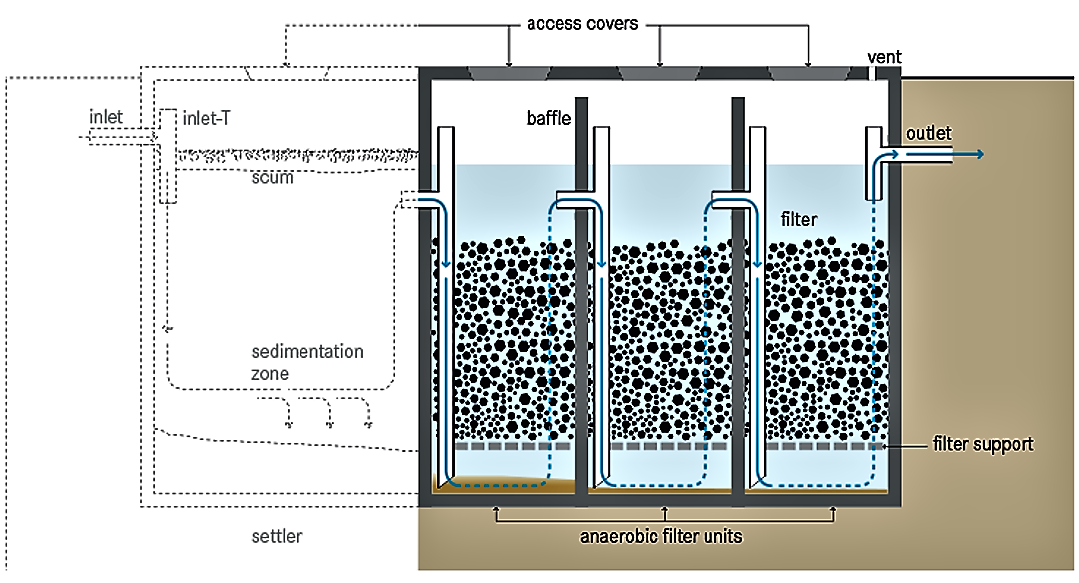
The anaerobic biological method is considered suitable for treating wastewater with moderate to high pollution concentrations in the pulp and paper industry. One of the most popular devices today is the Upflow Anaerobic Sludge Reactor tank (UASB), which is widely used worldwide.
The operating process of the UASB tank is as follows:
- Wastewater is fed uniformly to the bottom of the tank, then rises through a sludge layer consisting of granular sludge or suspended sludge.
- When wastewater comes into contact with sludge, anaerobic reactions occur, producing gases such as methane and carbon dioxide.
- These gases not only promote internal circulation, helping to maintain and form granular sludge, but also float to the tank surface.
Treatment continues in a three-phase tank, where gases attached to the sludge are released, allowing the sludge to settle back into the lower sludge layer. The gases produced are collected in the gas collection chamber located in the upper part of the tank.
Currently, in addition to the UASB tank, the Anaerobic Baffled Reactor (ABR) is also an effective and popular wastewater treatment method in the pulp and paper industry.
Advanced Integrated Processing Technology:
- Electrochemical and ultrasonic treatment:
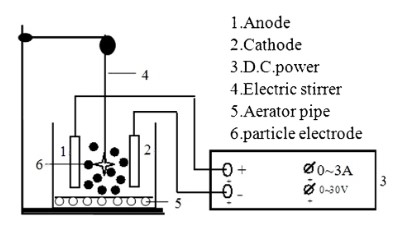
In recent years, new technologies such as electrochemical and ultrasonic treatment have been applied in pulp and paper industry wastewater treatment. Electrochemical treatment uses electric current to remove contaminants, while ultrasonic treatment uses high-frequency sound waves to break down pollutants in wastewater. These methods show great potential for effective wastewater treatment and are gradually being introduced into production practice.
- Comprehensive treatment:
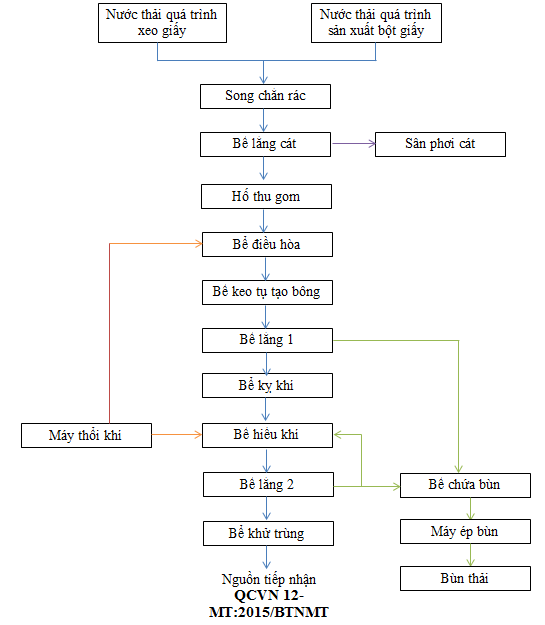
Comprehensive treatment is one of the most common methods for treating wastewater from the pulp and paper industry. This method combines biological, chemical, and physical technologies to separate toxic substances such as organic compounds and heavy metals from wastewater. The combination of these technologies helps improve treatment efficiency, in accordance with strict discharge standards.
- Biological ozone method
The biological ozone method is a combination of ozone treatment and biological filtration. Wastewater after being treated with ozone will be directed through the biological filter from the bottom up, where air is supplied when needed. This filter contains a layer of activated carbon as a biological media, which helps remove remaining COD through biological contact oxidation.
The study by Cui et al. has demonstrated the effectiveness of this method when treating wastewater with low COD concentrations, for example, input COD of 50 mg/L can be reduced to less than 30 mg/L. For wastewater with higher COD concentrations and requiring strict discharge standards, a two-stage biological ozone process can be applied. This method not only ensures safety but also minimizes chemical use and labor requirements.
Physicochemical pretreatment combination with Fenton advanced oxidation process:
Melchiors et al. investigated the effectiveness of combining physicochemical pretreatment with the Fenton advanced oxidation process to treat chemithermal–mechanical pulp (CTMP) wastewater in Brazil. This process consists of coagulation–sedimentation–clarification (CFS) combined with the Fenton method. The results showed that the organic carbon removal rate reached 95%, COD decreased by 61%, and lignin decreased by 76%. This proves that the combination of technologies can significantly improve wastewater treatment efficiency.
The benefits of composite treatment include good treatment efficiency and high treatment efficiency; However, there are also some disadvantages, such as high processing costs. Currently, the commonly used wastewater treatment methods from the pulp and paper industry and their performance comparisons are presented in the following table:
Table 1. Commonly used methods to treat wastewater from the pulp and paper industry. (Source: Water)
| Handling Method | Performance Comparison | So sánh hiệu suất |
| Flocculation precipitation method | The method is simple, the investment is not high, the operating cost is low, but it is difficult to reach the standard. | Phương pháp đơn giản, chi phí đầu tư không cao, chi phí vận hành thấp, nhưng khó đạt tiêu chuẩn. |
| Advanced oxidation treatment | The method is simple, there is no sludge, the safety is poor, the investment is not high, and the operation cost is high. | Phương pháp đơn giản, không có bùn, an toàn kém, chi phí đầu tư không cao nhưng chi phí vận hành lại cao. |
| Adsorption treatment | The investment is reasonable, but the regeneration is troublesome and the operation cost is high. | Chi phí đầu tư hợp lý, nhưng quá trình tái sinh phức tạp và chi phí vận hành cao. |
| Aerobic sludge process | Less investment, low operating cost, good treatment effect. However, the treatment process is long, and it is difficult to degrade heavy metals and antibiotics in wastewater. | Chi phí đầu tư thấp, chi phí vận hành thấp, hiệu quả xử lý tốt. Tuy nhiên, quá trình xử lý kéo dài và khó phân hủy kim loại nặng và kháng sinh trong nước thải. |
| Biological ozone method | High investment, simple operation, reasonable operating cost, more suitable for upgrading. | Chi phí đầu tư cao, vận hành đơn giản, chi phí vận hành hợp lý, phù hợp hơn cho việc nâng cấp. |
| A combination of coagulation–flocculation–precipitation process and Fenton advanced oxidation process | The operation is stable, the operation cost is low, but the operation amount is large, the safety is poor, and the sludge amount is large. | Quá trình vận hành ổn định, chi phí vận hành thấp nhưng khối lượng vận hành lớn, an toàn kém và lượng bùn phát sinh nhiều. |
Recycling methods and alternative materials in paper production:
In the context of increasing demand for paper and pulp, finding sustainable alternatives to wood has become a top priority. Non-wood materials are gradually demonstrating their outstanding potential thanks to their ability to quickly regenerate, minimize pressure on forest resources, and limit the amount of waste generated.
Jute:
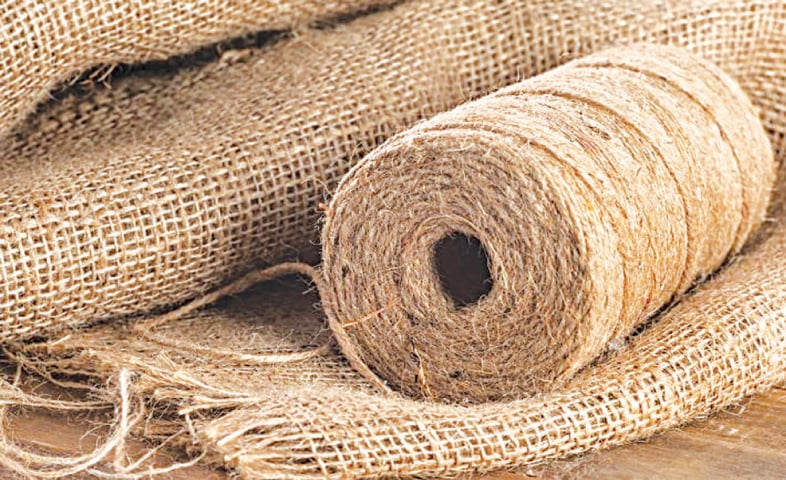
Jute fiber is one of the promising alternative materials thanks to its high alpha-cellulose content (62.35%), an essential ingredient for high-quality paper production. This type of fiber not only regenerates quickly within a year but also helps reduce the pressure on forest logging. Besides, the process of producing paper from jute fibers is simple, saves energy, and brings high economic efficiency. Paper made from jute fibers also has good whiteness (76.70%), equivalent to conventional offset printing paper products.
Peanut shell

As a rich source of agricultural waste, peanut shells open up opportunities to reduce waste and protect the environment. Application of the Kraft method has shown outstanding efficiency, with a higher pulp extraction ability, reaching 80.75g from 250g of raw material. In addition, the use of peanut shells not only helps reduce deforestation but also promotes the use of non-wood materials, positively contributing to the circular value chain.
Durian peel:
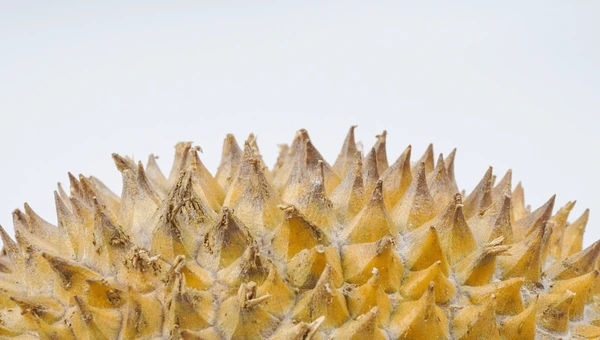
Although more research is needed for optimization, durian peel with high hemicellulose content is emerging as a potential solution. Reusing durian peels not only helps reduce pollution but also contributes to enhancing sustainability in paper production.
Organosolv solution: Potential for effective wood waste recycling
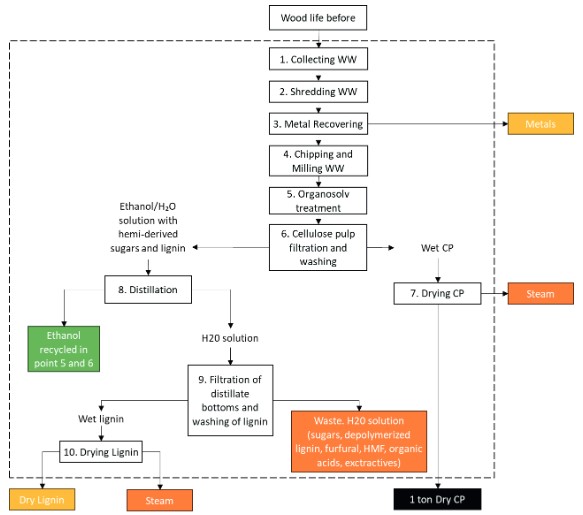
The organosolv process offers a novel and potential solution for the production of unbleached pulp from wood waste while competing with traditional methods such as kraft. With the help of an ethanol/water mixture (80:20 w/w) and sulfuric acid as a catalyst, this process operates at a temperature of 160°C for 15 minutes, helping to significantly recover valuable ingredients. such as cellulose, lignin, and hemicellulose from wood waste.
Process highlights:
- Pulp yield: From 1 ton of wood waste, the process produces 0.9 tons of organosolv pulp with 10% moisture. The main ingredients include 68% cellulose, 17% lignin, and 5% hemicellulose, showing the ability to maximize resources from wood waste.
- Ethanol recycling: More than 99% of ethanol is recovered and reused, helping to reduce production costs and limit environmental impact.
- Valuable by-product: Dry lignin (10% moisture) is recovered as a by-product, which along with sugar water can be used in wastewater treatment or as a supplementary material.
Environmental impact assessment:
Although the organosolv process has a higher human health impact, it represents a clear advantage in terms of ecosystem protection compared to the kraft method. Sensitivity analysis shows that by reducing energy demand by 28.61% and using biomethane and renewable electricity, CO₂–eq emissions from this process can reach levels comparable to the sulfate process.
Development potential:
With the ability to reduce waste and utilize wood waste effectively, organosolv opens up a sustainable path for the pulp and paper industry. Further research will focus on optimizing energy sources, scaling up the process to factory testing levels, and facilitating practical applications. This solution not only helps recycle wood waste but also positively contributes to the circular economy and environmental protection.
Towards a Sustainable Future for the Pulp and Paper Industry
The pulp and paper industry plays an important role in many areas of life and the economy, but negative impacts on the environment are an issue that needs attention. Implementing sustainable solutions such as optimizing production processes, using recycled materials and upgrading wastewater treatment technology is key to minimizing environmental impact. Collaboration between businesses, governments, and consumers in promoting sustainable initiatives will shape the future of the pulp and paper industry, towards a green economy and sustainable development.
Paper Vietnam 2025 is the ideal opportunity to learn about sustainable solutions in the pulp and paper industry. At the show, you can discover the latest technology trends and industry innovations. At the same time, this is also a place to connect with pioneering businesses in green development, opening up opportunities for cooperation and sharing initiatives to build a more sustainable pulp and paper industry.
