

Paper Packaging – A Sustainable Solution for Export Markets
In the context of global trade where sustainability is becoming an increasingly critical priority, packaging is no longer viewed solely as a means of product protection. Instead, it has emerged as a strategic factor influencing market access, brand positioning, and compliance with international standards. Within this landscape, paper packaging is steadily establishing itself as an optimal solution, meeting technical, environmental, and regulatory requirements simultaneously.
For export-oriented businesses, particularly in sectors such as food & beverage, fast-moving consumer goods (FMCG), and e-commerce, the industry plays a vital role in enhancing market competitiveness and brand value across international markets.

Paper Packaging and Increasingly Stringent Export Market Requirements
Major export destinations such as Europe, North America, Japan, and Australia are tightening regulations related to packaging, with a strong emphasis on environmental performance and recyclability.
Growing Preference for Sustainable Packaging
Many countries have introduced policies to limit single-use plastics while promoting recyclable and environmentally friendly materials. Against this backdrop, paper packaging is widely recognized as a suitable alternative due to its high recyclability and biodegradability.
This trend creates a clear advantage for exporters utilizing paper-based packaging, enabling products to comply more easily with import regulations and environmental standards while improving acceptance in sustainability-conscious markets.
Compliance with International Standards and Certifications
Paper packaging used in export markets is increasingly associated with internationally recognized certifications, such as:
- FSC (Forest Stewardship Council): A globally recognized certification system for responsibly managed forests and forest-based products, helping businesses demonstrate sustainable sourcing and enhance credibility in international trade. (Source: Forest Stewardship Council International)
- PEFC (Programme for the Endorsement of Forest Certification): An international forest certification system that includes Chain of Custody certification, ensuring traceability of raw materials throughout the supply chain. (Source: PEFC)
Compliance with these certifications not only facilitates smoother customs clearance but also strengthens corporate reputation and trust among international partners and buyers.
The Value of Paper Packaging in Exported Goods
Ensuring Product Safety and Quality Across Transportation Chains
Exported goods often pass through complex and extended transportation processes. Modern solutions,such as corrugated board, multi-layer paper structures, and honeycomb paper, are engineered for high strength, impact resistance, and load-bearing capacity, providing effective protection throughout long-distance shipping.
Due to flexible customization in size, structure, and thickness, this type of packaging can accommodate a wide range of export products, including FMCG, food products, household goods, and industrial components. This adaptability helps minimize damage risks, reduce product loss, and lower additional costs caused by returns or international claims.
Supporting Global Logistics and Supply Chain Efficiency
Another key advantage of paper packaging lies in its lightweight nature, stackability, and space efficiency, making it highly compatible with modern logistics systems. These features allow exporters to optimize transportation costs, reduce payload weight, and maximize container utilization, an increasingly important factor amid fluctuating global logistics costs.
By adopting standardized solutions, businesses can enhance operational efficiency while meeting the technical and regulatory requirements of international logistics and export markets.
Paper Packaging as a Tool for Enhancing Export Brand Value
Strengthening Brand Recognition and Customer Experience
Beyond protective functions, paper packaging plays a significant role in conveying brand identity. Its design flexibility, printability, and customization capabilities enable businesses to:
- Present a professional and credible image to international partners and consumers
- Communicate sustainability commitments and environmental responsibility
- Enhance the unboxing experience and overall customer perception
- Meeting Global Consumer Expectations
Studies consistently show that consumers in developed markets increasingly favor products packaged in environmentally friendly materials. By choosing paper packaging, exporters can gain a competitive edge, improve market acceptance, and align their products with global sustainability expectations.
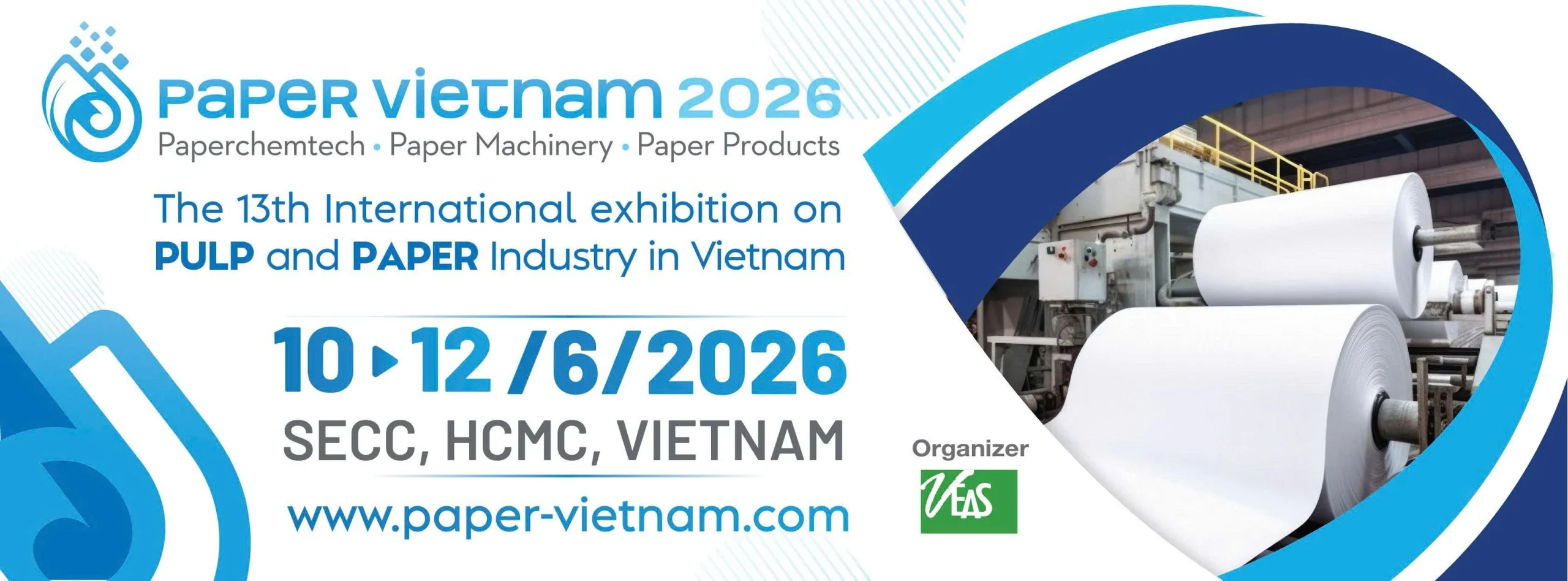
Conclusion – Paper Vietnam 2026
Paper packaging continues to reinforce its strategic importance in export activities, from meeting environmental regulations and international standards to enhancing product value and brand positioning. Investing in high-quality and sustainable paper packaging solutions enables businesses not only to comply with current market requirements but also to strengthen long-term competitiveness in global trade.
Paper Vietnam 2026 remains committed to supporting the business community by providing up-to-date insights into trends, technologies, and paper packaging solutions that drive sustainable export growth.
Book your booth now: https://checkin.veas.com.vn/book-a-stand/PRC2027/forms/paper?locale=en