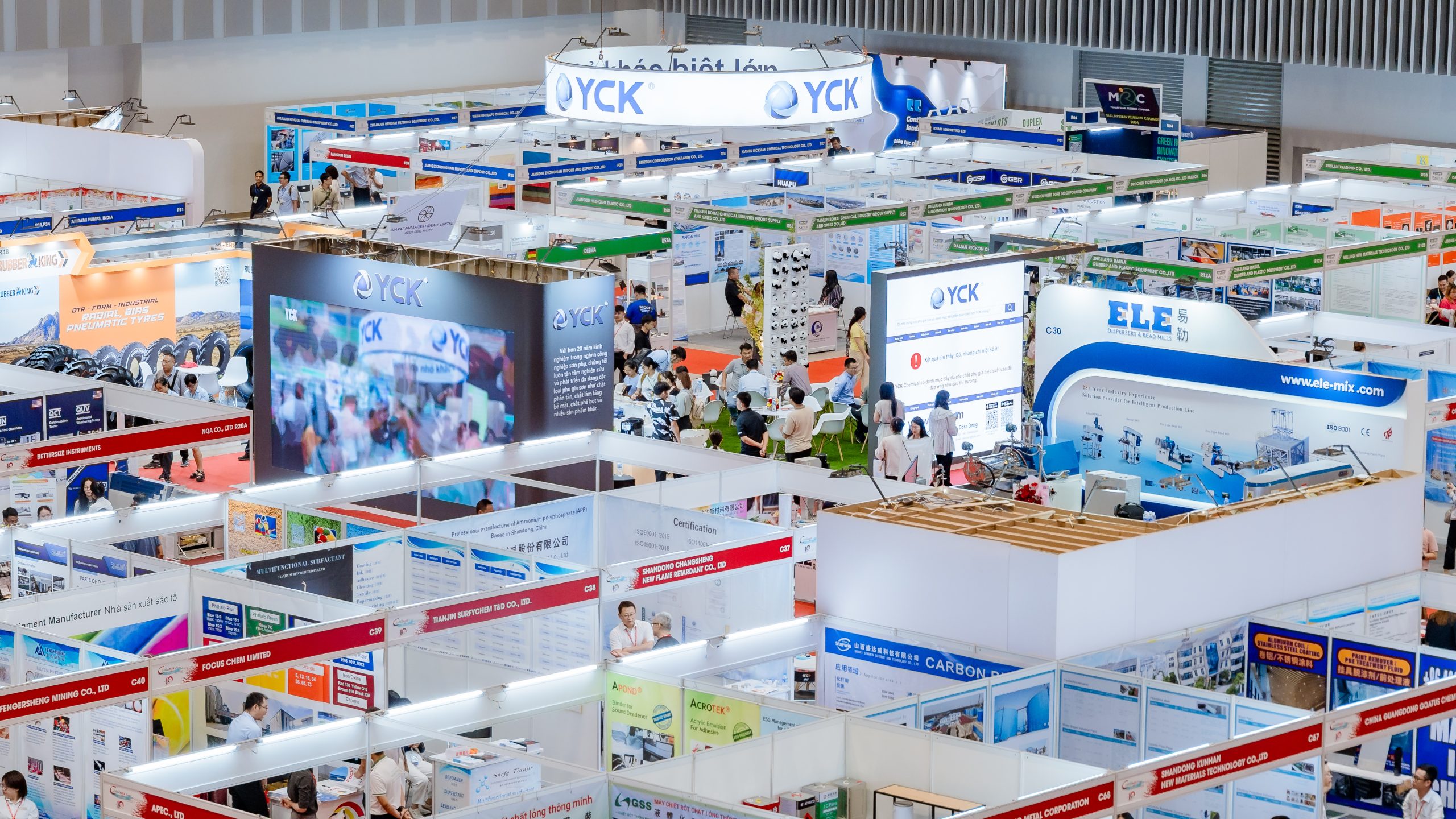
Vietnam’s paper industry is undergoing a remarkable transformation: from small-scale, traditional workshops to automated production lines, advanced technologies, and eco-friendly packaging solutions. This shift not only reflects global trends but also stems from rising domestic demand, export pressures, and government initiatives promoting a circular economy.
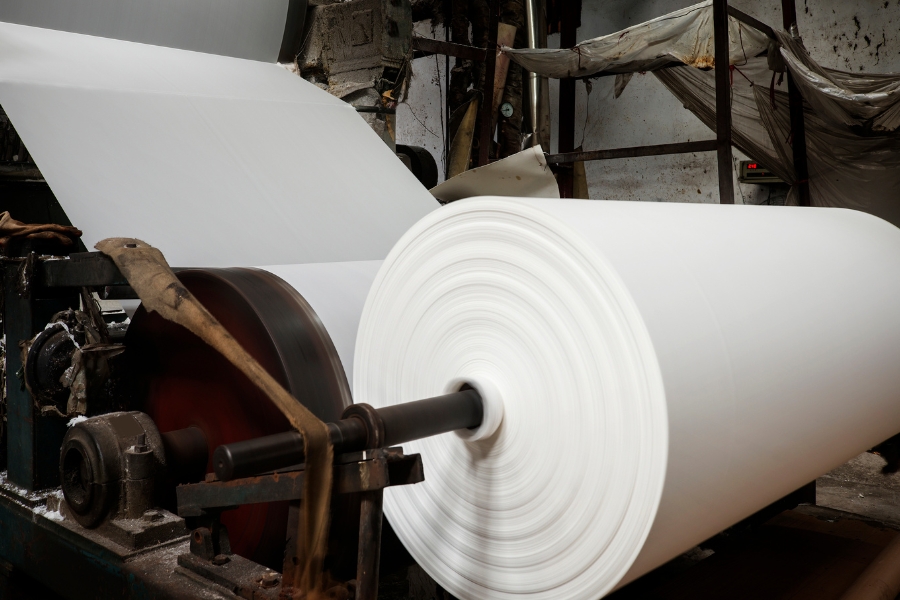
Vietnam’s Paper Industry – Why Innovation Is Essential?
The journey from traditional craft to modernization
In the past, Vietnam’s paper industry mainly relied on traditional, fragmented production models with heavy dependence on imported raw materials. However, the boom of e-commerce, rising demand for packaging for exports, and the global “eco-packaging” movement have created an urgent need for enterprises to modernize: adopting automation, upgrading processing and recycling technologies to increase productivity, reduce costs, and meet international standards.
This transition is further accelerated by growing investment in green technologies and global trends to reduce plastic usage.
Recent Figures Illustrating the Trend
The export value of paper products from Vietnam has consistently increased, reaching several billion USD in recent years, underlining the sector’s growing importance in the export chain.
On the other hand, paper imports remain high. According to Vietnam Customs (ASEMconnect), in just the first 8 months of 2024, Vietnam imported about 1.64 million tons of paper of all kinds, worth nearly USD 1.45 billion. This indicates that domestic demand continues to exceed local supply.
Market research further highlights that Vietnam’s paper packaging segment is on a strong growth trajectory, with market size estimated at several billion USD and an impressive CAGR projected for 2025–2030.
Vietnam’s Paper Industry – From Technological Upgrades to Sustainable Growth
Modernization in the industry is unfolding in several key directions:
1/ Production Line Automation
Major manufacturers are investing in automated winding, cutting, and gluing systems, as well as sensor-based quality control technologies. These innovations help increase productivity and ensure consistent product quality, allowing enterprises to compete in price and quality in global markets.
2/ Pulp Processing Technology
New technologies are being applied to reduce water and energy consumption, lower emissions, and replace traditional plastic coatings with eco-friendly alternatives for packaging.
3/ Recycling Chain Development & Circular Economy Models
Both the government and industry associations are promoting circular economy practices: waste collection, classification, recycling technologies, and designing recyclable packaging. However, challenges remain due to insufficient collection systems and underdeveloped recycling infrastructure.
Advantages & Challenges in the Technological Transition
Advantages of paper & pulp industry in Vietnam
- Higher productivity, lower waste, and reduced labor costs through automation.
- Compliance with international export standards (EU/US) via improved quality and green certifications.
- Expansion opportunities in high-value segments such as premium packaging and consumer goods.
Challenges that Vietnam’s paper & pulp industry needs to face
- Heavy reliance on imported raw materials: Vietnam still imports large volumes of paper/pulp, exposing enterprises to risks from global price fluctuations and international policies.
- Weak recycling capacity and collection systems: lack of modern waste treatment technologies and inefficient collection hinder the move toward a circular economy.
- High upfront investment: automation, environmental technologies, and international certifications require significant capital, posing barriers for small and medium-sized enterprises.
Vietnam’s Paper Industry – A Sector Blending Tradition and Technology
Vietnam’s paper industry now stands at a pivotal moment. With the right technologies, recycling processes, and market strategies, the country has the potential to shift from being an “import-dependent” market to becoming a regional hub for high-value paper production and exports. This transformation will require close cooperation among enterprises, investors, regulators, and international partners.
And Paper Vietnam 2026 will be the ideal platform to start building partnerships, exploring advanced technologies, and turning this vision into reality.
Book your booth now: https://checkin.veas.com.vn/book-a-stand/PRC2027/forms/paper?locale=en